Written by: Dhanhyaa Phillipson
It’s easy to assume that certain foods and products are automatically fully plant-based. However, some commonly used ingredients and items may contain hidden animal-derived components, so it's crucial to check ingredients lists closely. In this post, we'll highlight a few surprising culprits that might not be as vegan-friendly as they seem.
Mock Meats
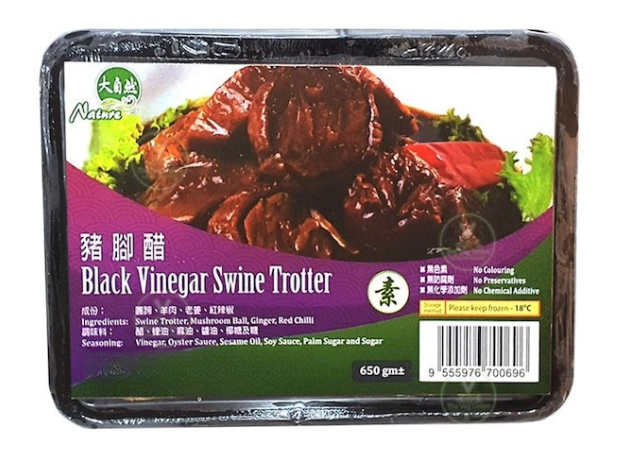
Mock meats can contain hidden non-vegan ingredients like eggs/albumen, dairy or even oyster sauce. Some ingredients lists like that of Great Nature Vegetarian Black Vinegar Swine Trotter can make one wonder if it’s even vegetarian because of the mention of “swine trotter” and “oyster sauce” without any indication of them being vegan or vegetarian versions.
To ensure they align with a vegan diet, always check for vegan certification or ingredients lists or ask about vague ingredients like “vegetarian seasoning” that can contain non-vegan ingredients. When dining at a vegetarian chap fan shop, it’s best to choose vegetable and tofu/tempeh dishes and avoid mock meat dishes. We urge you to avoid mock meat dishes at restaurants because it’s often very difficult even for the restaurant employees themselves to verify.
Hericium Mushroom
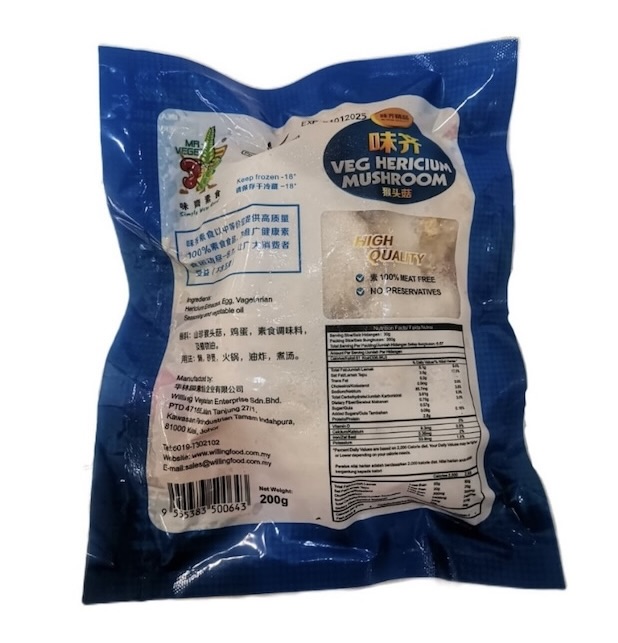
Hericium mushrooms, also known as Lion's Mane, that are frozen and packaged are often thought to be naturally vegan but they can sometimes be soaked in egg. Examples include Mr Vege, Great Nature and VegeWorld. This makes it important to check how the mushroom is prepared before consuming it. When purchasing or cooking Hericium mushrooms, ensure that they are prepared without any animal-based ingredients to keep your meal fully vegan-friendly like the fresh or dried ones.
Veggie Burgers
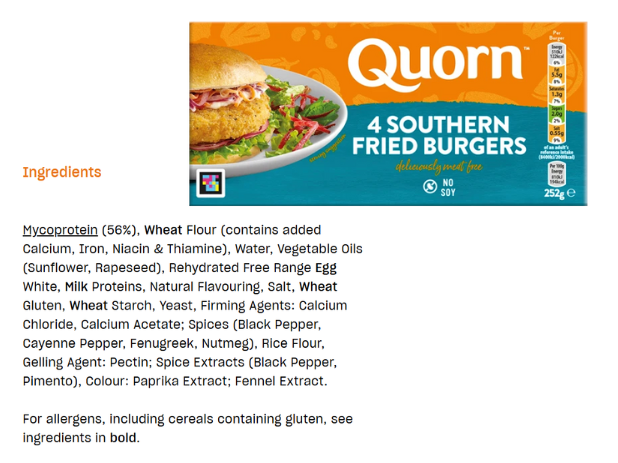
Similar to mock meats and egg-spoiled hericium mushrooms, veggie burgers like Quorn Southern Fried Burgers can sometimes contain non-vegan ingredients like eggs or dairy. So, always check the ingredients before purchasing.
Thankfully, there are now many vegan burgers to choose from, making it easier than ever to enjoy a plant-based option. Alternatively, you can make your own veggie or portobello burgers at home for a custom, vegan-friendly meal.
Sugar
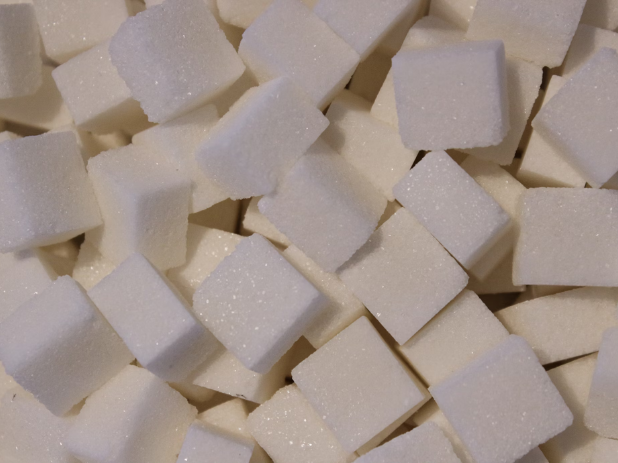
Sugar can sometimes be processed using bone char, which is derived from cow bones, making it unsuitable for vegans. To avoid this, choose organic or unrefined sugar processed without bone char or opt for vegan-certified sugar or alternatives like agave, maple syrup or coconut sugar. However, in Malaysia, if the sugar is Halal-certified, it is most likely vegan. According to ISA Halal, if bone char were used and derived from non-Halal cattle, the sugar would not be Halal-certified.
Additives
There are many additives that are considered vegan and many that are not. Some examples are gelatin, carmine and vitamin D3.
Gelatin, made from animal collagen (often sourced from cows or pigs), is a common ingredient in many processed foods like gummies, marshmallows, breath mints, chewing gums, sprinkles and pop tarts. Instead of gelatin, search for products without it and with vegan alternatives like agar-agar, pectin or carrageenan, with agar-agar being widely available and a great substitute.

Carmine, a red dye made from crushed cochineal insects, is another additive to watch for. An example of a product containing bugs is Kellogg’s Fruity Froot Loops. Look for products that explicitly state they are free of carmine or opt for those using plant-based colourings.
Additionally, some cereals may contain vitamin D3 sourced from lanolin, which is derived from wool. For vegan-friendly options, look for cereals fortified with vitamin D2, which is derived from fungi like yeast or mushrooms and is plant-based.
Be sure to watch out for such additives with their E-numbers in the ingredients list. For more info on E-numbers, check out Elated Vegan Health’s comprehensive list of E-numbers and whether they’re vegan or not.
Honey
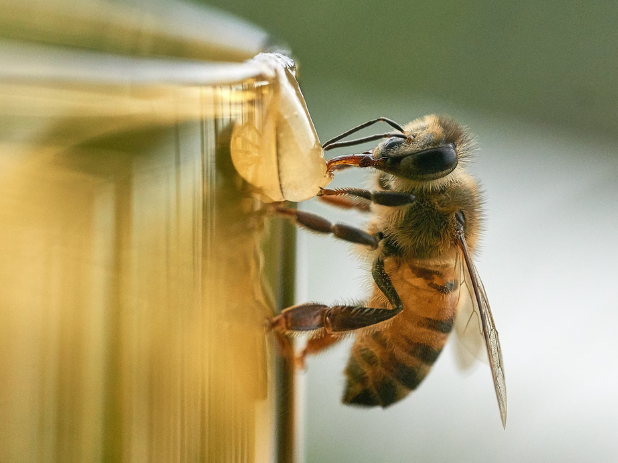
Though it should be clear, many still forget that honey is derived from bees and is meant for them, not for human consumption. To avoid using honey, try alternatives like agave nectar, maple syrup, date syrup or gula melaka.
Worcestershire Sauce
Traditional Worcestershire sauce contains anchovies, making it non-vegan. Instead, opt for vegan Worcestershire sauce or make your own at home with vegan-friendly ingredients.
BBQ Sauce
Some BBQ sauces could contain honey, Worcestershire sauce, gelatin and carmine. So, watch out for any animal-derived ingredients and opt for vegan BBQ sauces when shopping.
Tomato-Based Pasta Sauce
While most traditional tomato-based pasta sauces are vegan-friendly, some may contain cheese or dairy-based flavouring like Kimball’s Mushroom Pasta Sauce, so it's important to check the ingredients.
To keep your pasta dish plant-based, look for tomato sauces without dairy or make your own using plant-based ingredients like tomatoes or tomato puree, herbs and spices to make your pasta sauce to your desired taste. You can even use nutritional yeast to add a cheesy flavour if you prefer.
Canned Vegetable Soups
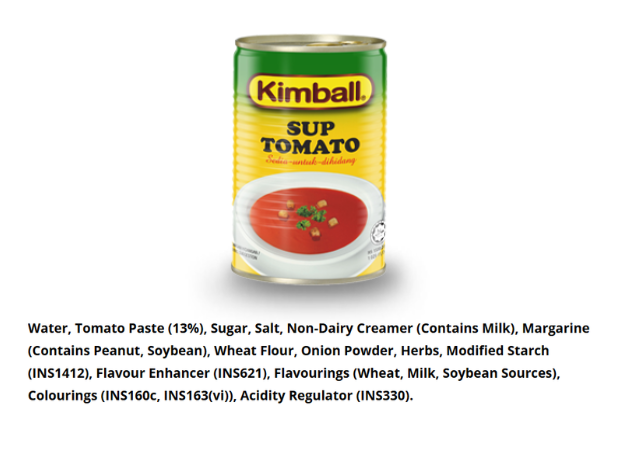
Some canned vegetable soups such as Kimball’s tomato soup contain animal products like dairy. It's a good idea to always check the ingredients list for animal-derived ingredients or opt for fresh, homemade vegetable soups using vegetable broth and plant-based ingredients like coconut cream.
Sambal
Sambal, a popular chilli paste in Malaysian and Indonesian cuisines, may sometimes contain shrimp paste or other non-vegan ingredients. Look for vegan sambal that does not include shrimp paste or make your own at home using plant-based ingredients.
Local & Regional Dishes
Many traditional Malay and Thai dishes contain non-vegan ingredients like eggs, dairy or fish-derived components such as fish sauce, shrimp paste or anchovies. To enjoy these dishes while staying vegan, it's best to dine at restaurants that offer vegan-labelled dishes or specialise in vegan-friendly options.
Non-Dairy, Lactose-Free and Other Products That Still Contain Dairy
Many products marketed as "non-dairy," "lactose-free," or "plant-based" can still contain hidden dairy-derived ingredients, which can be misleading for consumers. Some examples include: So-called “non-dairy” creamers in instant coffee premixes like Coffee Mate and even Kimball’s canned tomato soup actually contain sodium caseinate, a milk protein, despite the "non-dairy" label. “Lactose-free” products can have casein or whey. Margarine may include dairy ingredients like casein or lactose. Dark chocolate can contain milk powder.
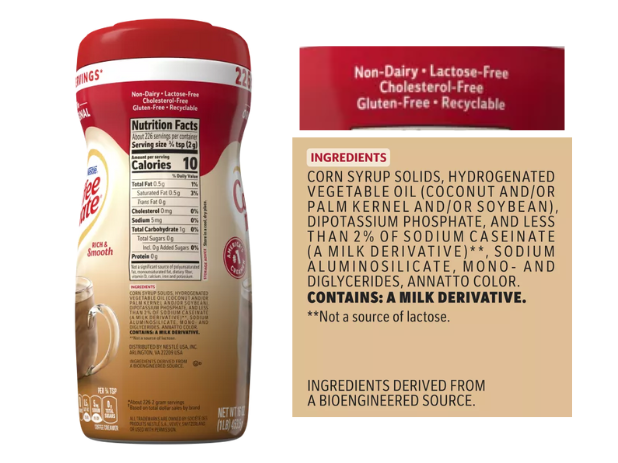
To avoid these, always check the ingredient list for milk proteins and opt for certified plant-based alternatives like almond milk, soy milk, Nuttelex margarine and dairy-free chocolates.
Alcoholic Beverages
Alcoholic beverages can contain animal-derived fining agents like isinglass (fish bladder), gelatin, egg whites or fish oil. To ensure a beverage is vegan-friendly, you can use resources like Barnivore to check specific brands or look for vegan certification on the packaging.
Soda
Soda in Malaysia is generally considered vegan-friendly but some brands may use ingredients like carmine or sugar processed with bone char, though these are less common. It's a good idea to check ingredients lists for any animal-derived ingredients or choose brands that have vegan certifications. If you're concerned, you can always opt for sparkling water or kombucha to enjoy a fizzy beverage without worrying about animal-derived ingredients.
Orange Juice
Some orange juices in Malaysia may contain animal-derived ingredients like fish-derived omega-3, vitamin D3 (often sourced from lanolin) or calcium lactate. It's important to check labels, especially for imported brands. To avoid these ingredients, opt for 100% cold-pressed fruit juices with no added fortifications or simply squeeze your own fresh juice at home.
Vegan Labelled vs Vegan Certified
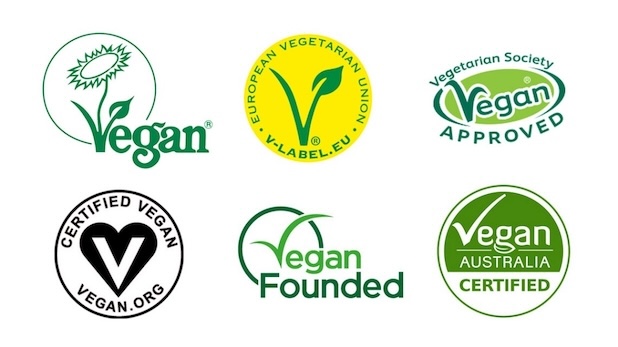
There is a difference between “vegan labelled” and “vegan certified”:
Vegan labelled refers to a product that carries a vegan claim or label by the manufacturer or brand but it may not have been independently verified by a third-party. For example, a teriyaki sauce that contains honey might be labelled as "vegan" by the manufacturer, despite honey being an animal-derived ingredient.
Vegan certified means the product has been verified by a recognised certification body, like the Vegan Society in the UK. These organisations ensure the product adheres to specific vegan standards, including no animal-derived ingredients and no animal testing and they usually provide an official logo or symbol to indicate certification.
So, the difference is mainly about whether the claim has been independently verified or not. Vegan certification is more reliable in terms of confirming that the product meets strict vegan criteria.
It's Not the End of the World
Navigating vegan products can be tricky, especially for new vegans, as many everyday items contain hidden animal-derived ingredients. While more vegan-friendly options are becoming available, not all labels are equally reliable. By choosing Vegan-certified products or checking the ingredients lists or by making your own food, you can avoid unwanted ingredients and confidently live vegan without compromise.
As you become more familiar with vegan products and identify your favourites, shopping for vegan options becomes much easier. You'll know your go-tos, making it simpler to navigate the aisles and make informed choices.


