Written by: Dhanhyaa Phillipson
Many people assume that eating a plant-based diet automatically makes someone vegan. While a 100% plant-based diet eliminates animal products from food, veganism extends far beyond diet—it is the ethical principle that rejects the exploitation of other animals.
The Definition of Veganism
The term "vegan" was coined in 1944 by Donald Watson and the Vegan Society, which defines veganism as:
A philosophy and way of living which seeks to exclude—as far as is possible and practicable—all forms of exploitation of, and cruelty to, animals for food, clothing or any other purpose.
This definition makes it clear that veganism is not just about what we eat but also about the choices we make in other areas, such as clothing, cosmetics, entertainment and everyday products.
Leslie Cross, an early vegan advocate, further emphasised this ethical foundation by stating:
"Veganism is not so much about welfare as it is about liberation. It is about the emancipation of animals from exploitation by man. It is about a new relationship between man and the rest of creation."
Beyond the Plate
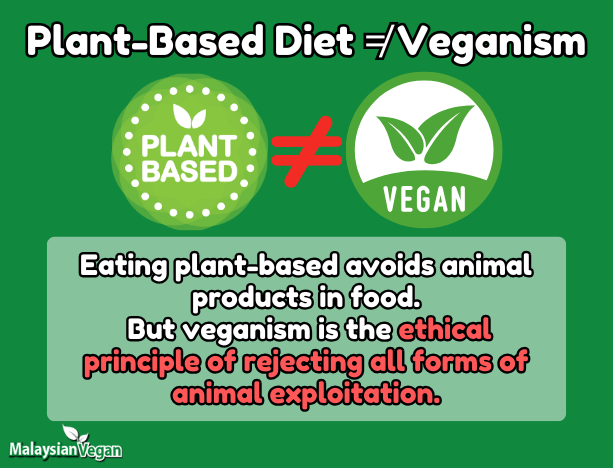
While a plant-based diet eliminates meat, dairy, eggs, honey and other animal-derived foods, any vegan’s lifestyle also avoids:
- Animal-tested products – Many cosmetics, household cleaners and medications are tested on animals. Veganism calls for cruelty-free alternatives to these products, avoiding those that contribute to animal suffering.
- Animal-derived materials – Leather, wool, silk and down feathers are products that exploit and harm animals. Choosing alternatives such as synthetic or plant-based materials aligns with the vegan commitment to avoiding animal exploitation.
- Entertainment that exploits animals – Zoos, aquaria and circuses use animals for profit and entertainment, subjecting them to confinement and abuse. Veganism rejects supporting such industries and encourages ethical ways to appreciate animals, such as through sanctuaries. The objective of sanctuaries is to rescue, protect and take care of animals without the intention to exploit them.
- Animal agriculture byproducts – Beyond food, animal agriculture also produces byproducts like gelatin, animal fats and other substances that are used in a variety of products, including cosmetics and medicine. Veganism opposes any form of exploitation linked to factory farming, whether in food or other consumer goods.
- Pet mills – Breeding facilities that prioritise profit over the well-being of animals, often subjecting animals to inhumane conditions. Veganism encourages adopting pets from shelters and opposing the pet mill industry.
- Being vegan in a non-vegan world – Living as a vegan in a society that often ridicules or dismisses veganism can be difficult. However, veganism is an ethical commitment and staying true to this principle—even when faced with criticism or societal pressure—is an essential part of the movement to end animal exploitation.
Veganism as a Commitment to Justice
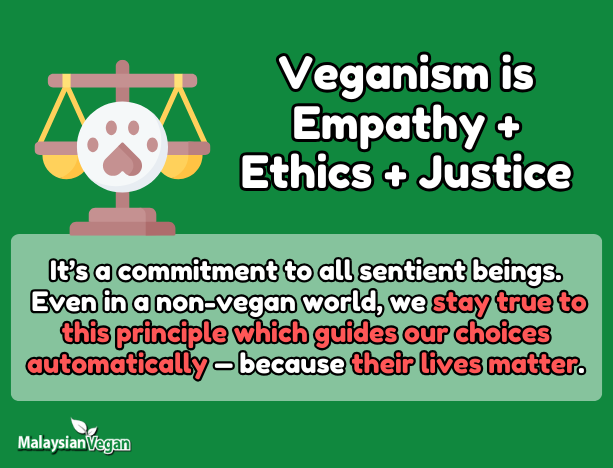
Veganism is rooted in empathy, ethics and justice for all sentient beings. While adopting a plant-based diet is a great step towards reducing harm, true veganism involves conscious decisions to eliminate animal exploitation in every aspect of life, as much as possible. Understanding this distinction helps strengthen the movement and ensures that veganism remains a force for change—one that goes beyond diet to challenge systemic animal cruelty in all its forms.


